
When planning container shipping from the UK to overseas, one of the most common questions clients ask is what the real difference is between FCL vs LCL, and which one actually suits their shipment. At Ascope Shipping, with over 15 years of experience in international container and vehicle shipping, we help customers pick the method that keeps their cargo secure, on schedule, and within budget.
Whether you are moving goods for your business, shipping vehicles, or sending personal items abroad, getting FCL vs LCL right from the start can save you real time and money down the line. The decision affects everything from your total cost per shipment to how quickly your goods clear customs at the other end. If you want the full picture on shared container shipping, our groupage shipping page covers the service in detail.
What Is FCL and LCL Shipping?
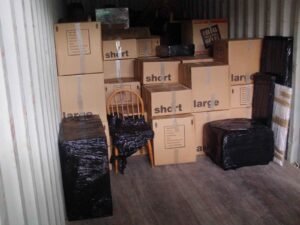
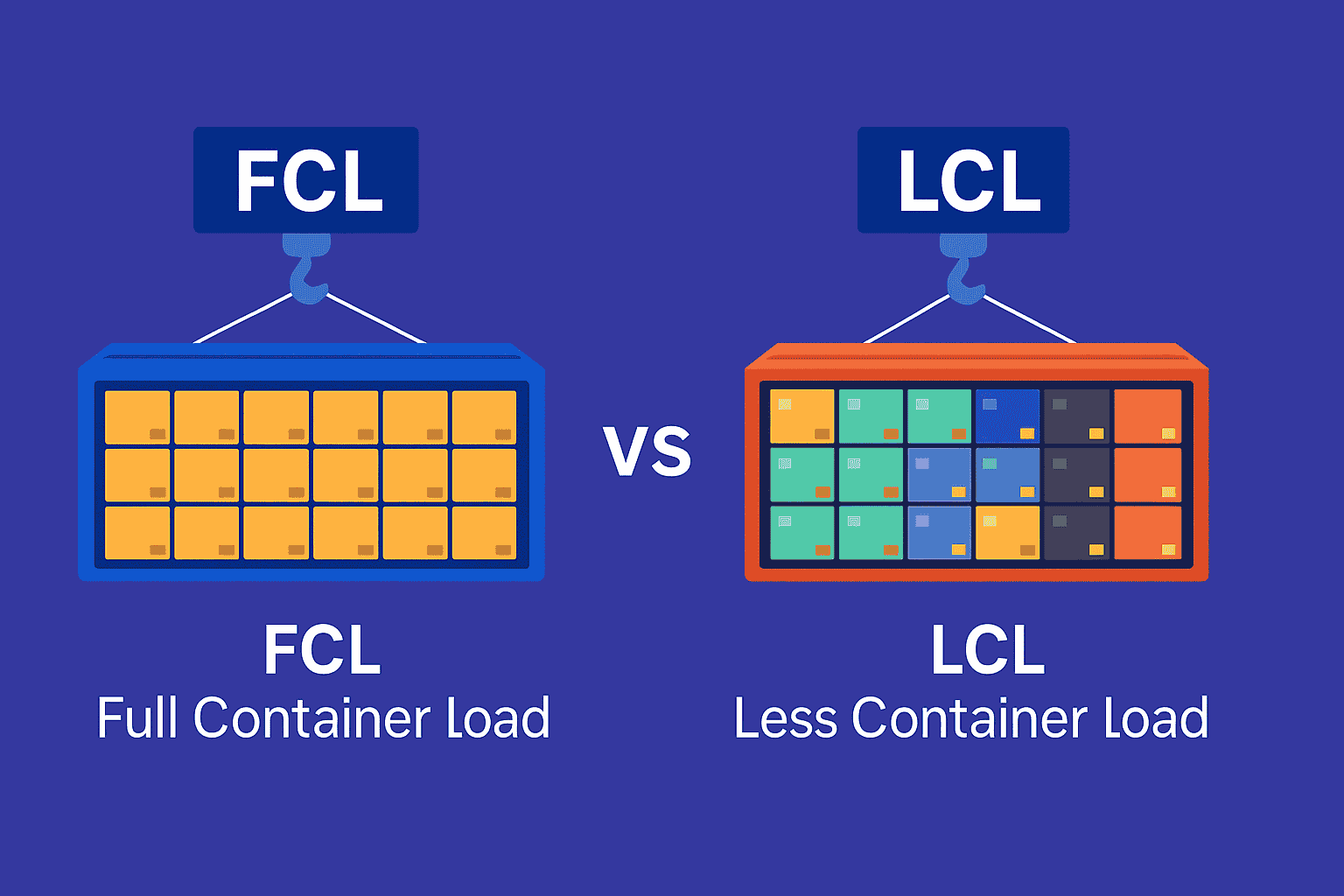
FCL, or Full Container Load, means your goods occupy an entire shipping container by themselves. It is built for larger shipments where you do not want to share space with anyone else. LCL, or Less than Container Load, lets you share container space with other shippers, so you only pay for the space your cargo actually takes up.
Both methods are used every day in international logistics, but the right pick in the FCL vs LCL debate depends on your shipment size, budget, and how quickly you need your cargo to arrive. Neither option is universally better. The right answer changes shipment by shipment, which is why it is worth working through the decision properly rather than defaulting to whichever method you used last time.
Advantages of FCL Shipping
If you are sending a high volume or high value shipment, FCL brings clear advantages to the table:
- Exclusive use of the container. Your goods travel alone, giving you maximum security and privacy throughout transit.
- Faster shipping time. There is no need to consolidate or deconsolidate cargo with other shippers, so the container moves straight to port.
- Stronger value for larger loads. You pay a flat rate for the container rather than per cubic metre, which works out cheaper once your volume is high enough.
- Fewer touchpoints. Less handling along the way means a lower chance of damage or delay.
If you are managing international vehicle shipping or exporting machinery, FCL is often the smarter route, since it keeps your cargo untouched from loading to arrival.
Advantages of LCL Shipping
For smaller shipments or growing businesses, LCL can be the more practical solution:
- Budget-friendly for smaller loads. Ideal if you do not have enough cargo to justify booking a full container.
- Flexible scheduling. Lets you ship regularly without waiting to build up a full load first.
- Shared efficiency. Container space is pooled with other shippers, which makes better use of available capacity on each sailing.
We regularly recommend LCL for customers sending smaller consignments or sample shipments internationally. It remains one of the most practical ways for small businesses to access container shipping from the UK to destinations worldwide without tying up cash in space they do not need. For a closer comparison of how this shared model stacks up against booking a full container, our guide on groupage vs full container shipping walks through the cost and risk trade-offs in more depth.

What Actually Drives FCL vs LCL Costs
When comparing FCL vs LCL on cost, the deciding factor is almost always volume. If your cargo fills more than roughly half of a 20ft or 40ft container, FCL usually becomes the more economical choice. If your shipment is small, LCL lets you share costs and pay only for the space you use.
A few things influence the final number on either method:
- Cargo volume and weight
- Destination port
- Shipping frequency and route
- Additional services such as loading, customs, and insurance
Exact rates depend on your cargo and destination, so we do not publish a fixed price table here. Rates also shift with fuel costs, port congestion, and seasonal demand, which is another reason a general figure would not reflect what you actually pay. If you want a clear answer, our team can put together a container shipping quote tailored to your shipment size and destination, so you know exactly where you stand before you book. You can also check our shipping prices page for confirmed rates on specific routes.
FCL vs LCL: Transit Time
Another real difference in the FCL vs LCL decision is how long your cargo takes to arrive.
FCL shipments typically move faster because the container skips consolidation and deconsolidation entirely. LCL shipments involve extra handling at both ends, combining cargo with other shippers before departure and separating it again on arrival. If time matters for your business or project, FCL offers the more direct, predictable timeline for container shipping from the UK. For shipments where a delay of even a few days would cause real problems, that reliability is often worth the higher cost.
Which Is Better: FCL or LCL?
So which option wins in the FCL vs LCL contest? It genuinely depends on what you need:
| Factor | Choose FCL if… | Choose LCL if… |
|---|---|---|
| Volume | You have enough goods to fill most of a container | You are shipping a small load |
| Budget | You want fixed container pricing | You prefer to pay per cubic metre |
| Speed | You need faster delivery | You are flexible with timing |
| Security | You are shipping high value or sensitive cargo | You are shipping general goods |
Ascope Shipping looks at your shipment’s requirements and destination to point you toward the right solution for container shipping from the UK to worldwide destinations.
Is LCL Cheaper Than FCL for UK to Overseas Shipping?
Generally, LCL works out cheaper for small loads. Once your cargo fills most of a container, though, FCL becomes more cost-efficient per unit of space. Keep in mind that while LCL often has a lower upfront cost, it can take a little longer to arrive due to consolidation at both ends.
For accurate, transparent pricing, the best move is to request an FCL vs LCL shipping quote from our team. We will help you work out the most economical option for your specific shipment rather than guessing, and flag any additional costs upfront so there are no surprises once your cargo is en route.
How to Choose Between FCL and LCL
Here is a quick way to think it through:
- Measure your shipment volume. Work out roughly how much space your goods actually occupy.
- Consider your timing. If your shipment is urgent, FCL is the faster route.
- Review your budget. LCL suits smaller budgets and lower volumes well.
- Think about cargo type. Valuable or fragile goods travel safer in an FCL container.
- Check your shipping frequency. Regular smaller shipments often suit LCL, while occasional bulk exports lean toward FCL.
- Get professional advice. Our team at Ascope Shipping can talk through your shipment and help you make a confident choice.
Documentation You Will Need Either Way
Whether you choose FCL or LCL, the paperwork requirements are broadly similar. You will typically need a commercial invoice, packing list, bill of lading, and export declaration before your cargo can clear customs. Missing or incorrect documentation is one of the most common causes of delay regardless of which method you choose, so it pays to get this right from the start. For the latest official requirements, the UK government’s guidance on exporting goods is a useful reference point alongside our own support with documentation.
Why Choose Ascope Shipping
With years of experience in international container and vehicle shipping, Ascope Shipping has built a reputation for reliability, transparency, and straightforward customer service. We handle every part of your shipment, from customs paperwork through to safe delivery, so you can stay focused on your business.
We offer FCL and LCL container shipping from the UK to destinations worldwide, international vehicle shipping and consolidation services, expert guidance on choosing between FCL vs LCL, and competitive rates with no hidden charges. Our team takes the time to understand your cargo and your priorities, rather than pushing you toward whichever method is easiest for us to book.
Get Your Container Shipping Quote Today
Ready to ship from the UK? Whether you choose FCL or LCL, Ascope Shipping provides affordable, secure, and reliable container shipping from the UK to overseas destinations. Contact our team today to compare your FCL vs LCL options and find the right fit for your international shipment.
Call 01482 228366 or email sales@ascopeshipping.co.uk to get started.